What is Think.Make.Start.?
I participated in the course Think.Make.Start. in my first semester at TUM. It is a mix between a hardware hackathon and an entrepreneurship sprint, where 65 people compete to build the coolest startup idea and present a working MVP after two weeks of ideation, customer research, and full-on hardware hacking. To participate, you have to upload a short presentation explaining why you want to participate and pass a pretty competitive peer review, where around 1/3 of candidates get selected.
How I Got In?
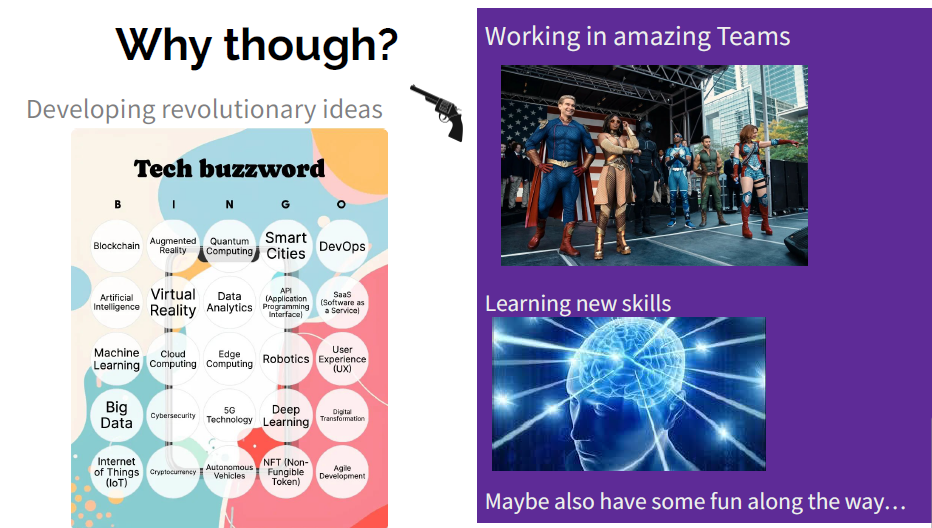
I think I was actually quite lucky to get into TMS as a first-semester student, being only one of three that were there. Funnily enough, I had actually heard about TMS from two of my friends in my semester but ended up being the only one of us selected :O. You always have to keep in mind relatability when building a presentation for peer review... I also joined TMS as a technical expert, which is a bit less competitive than the financial and problem expert roles also available.
Finding a Problem
Once I got into the course, I quickly found a team and we started ideating different ideas. We started with a rough sketch of an idea concerning the recycling of geotextiles in the construction industry, though TMS is very much organized in a way that allows you to question your ideas and check whether there is a product-market fit. So we later pivoted to fabric recycling in general and then specifically towards the system of clothing donation bins in Germany, which powers a large re-/upcycling industry.
Once we had that niche figured out, we found quite a lot of problems in that specific area that needed fixing. The biggest issue we found was about the degradation of already collected fabric due to the addition of wet fabric and garbage to already full bins. The problem was especially big at that time due to a recent change in EU law requiring fabrics to be put into recycling bins, which led to a lot of added waste in the bins.
Fixing the Problem
To solve this problem, we envisioned a system of low-cost sensors powered by a solar panel and battery inside existing containers to block the insertion of unwanted goods (checked with image recognition). Since we already connected the containers for this, we could also serve the company organizing the collection of these bins real-time data about the humidity inside the container and the current capacity.
Customer evaluation
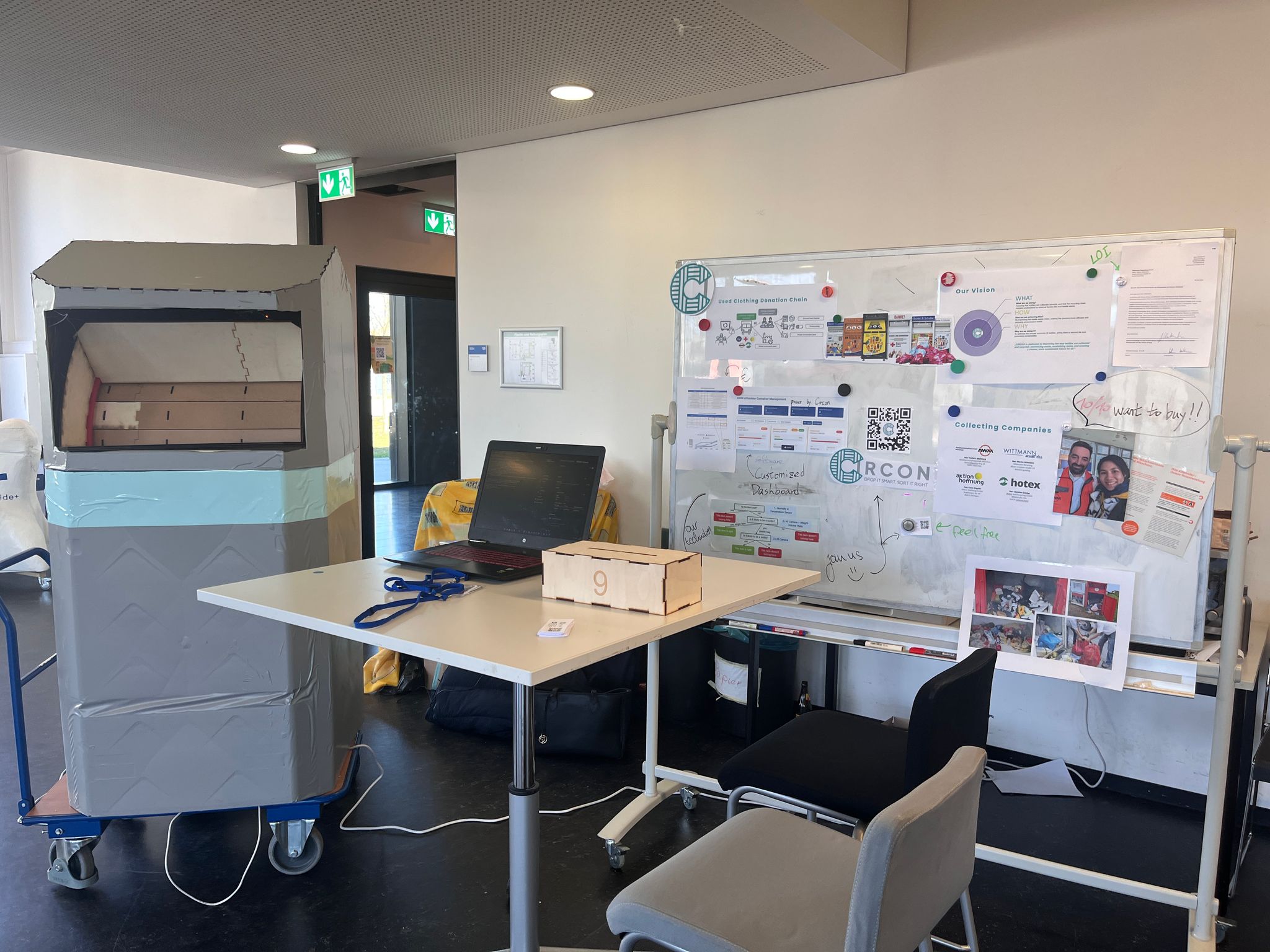
To check whether this potential solution could have any merit with actual organizers of clothing collection, we did some pretty comprehensive research, speaking with a lot of different actors in this field, including the City of Munich waste disposal department, as well as Wittmann Recycling, which is a large provider of clothing recycling in the south of Germany. Our idea actually led to a lot of interest from these providers, resulting in a letter of intent from Martin Wittmann, CEO of Wittmann Recycling, promising to further support our project in case we decided to build a startup on it.
Building a Prototype
 |
 |
|---|
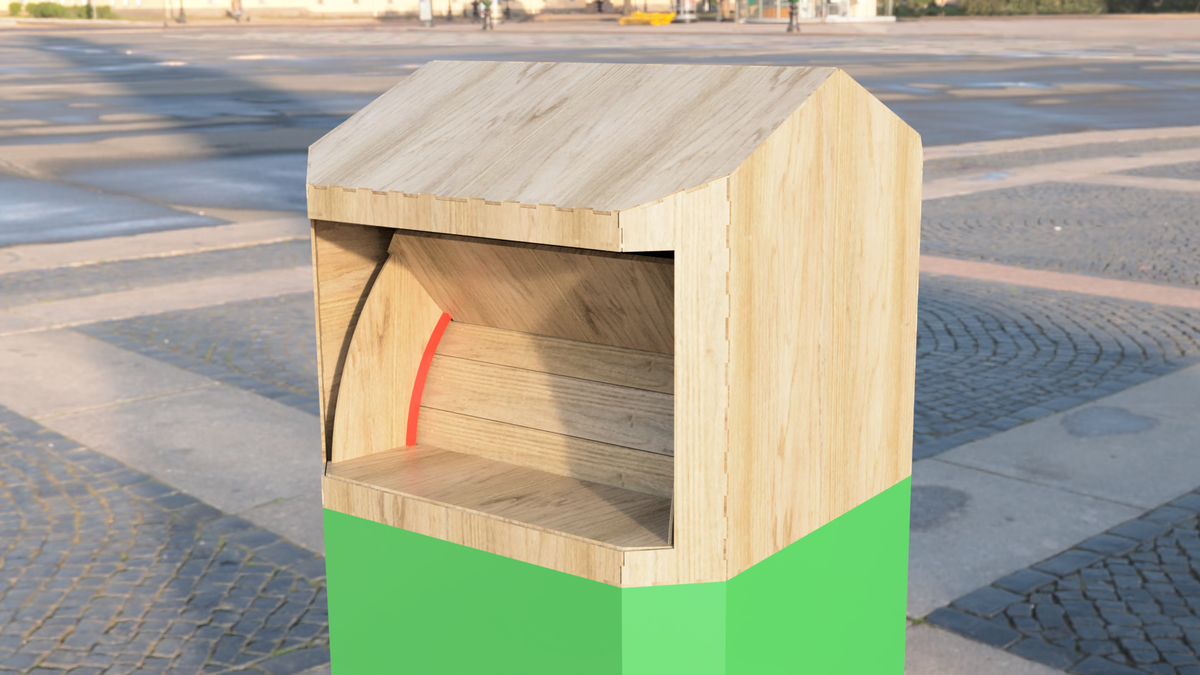
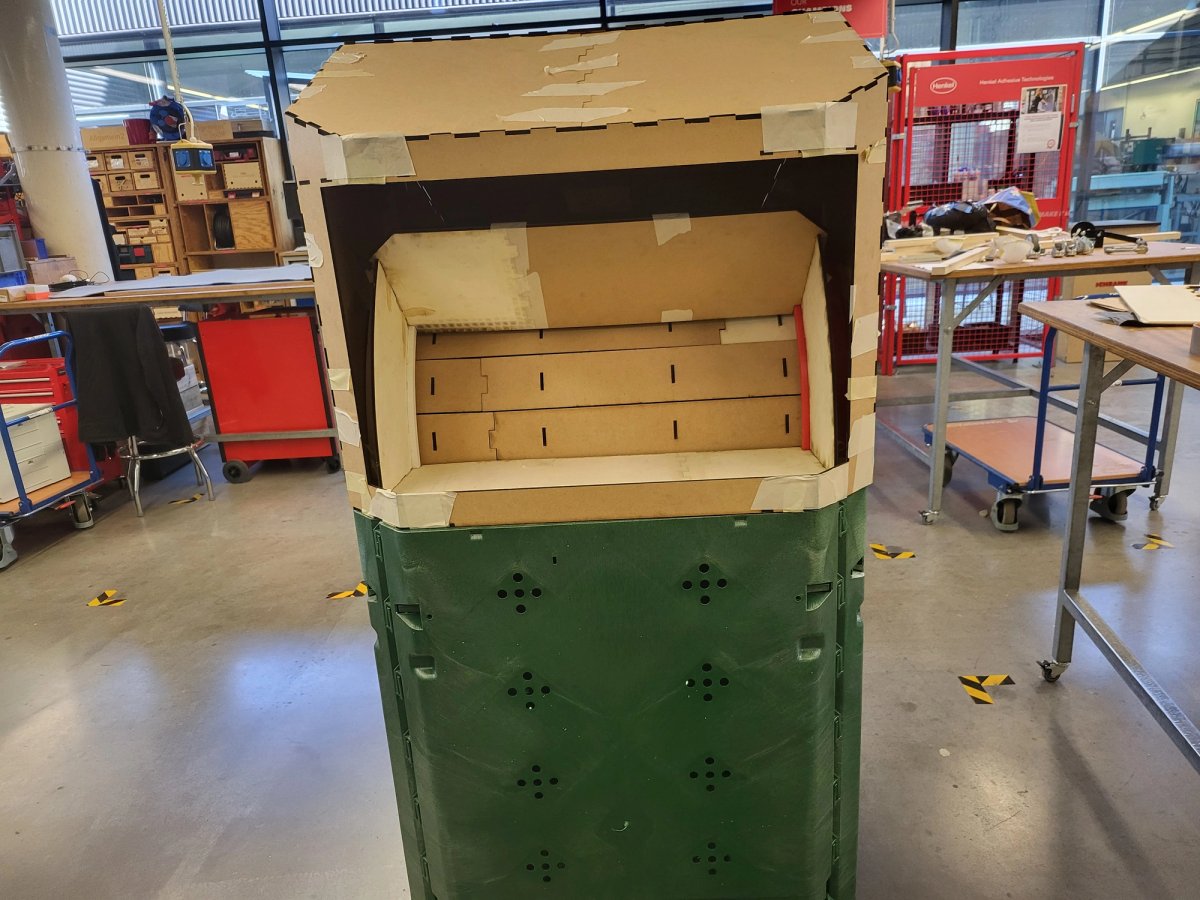
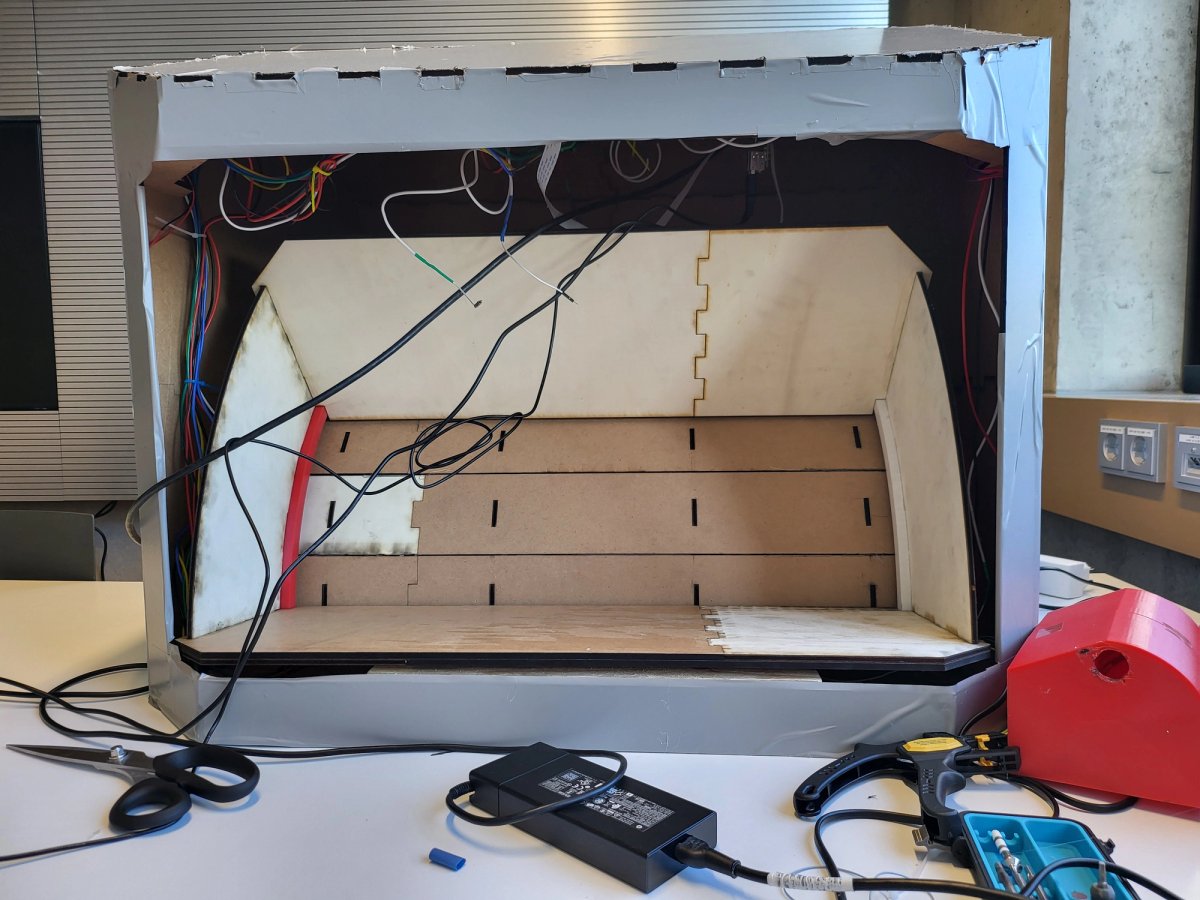
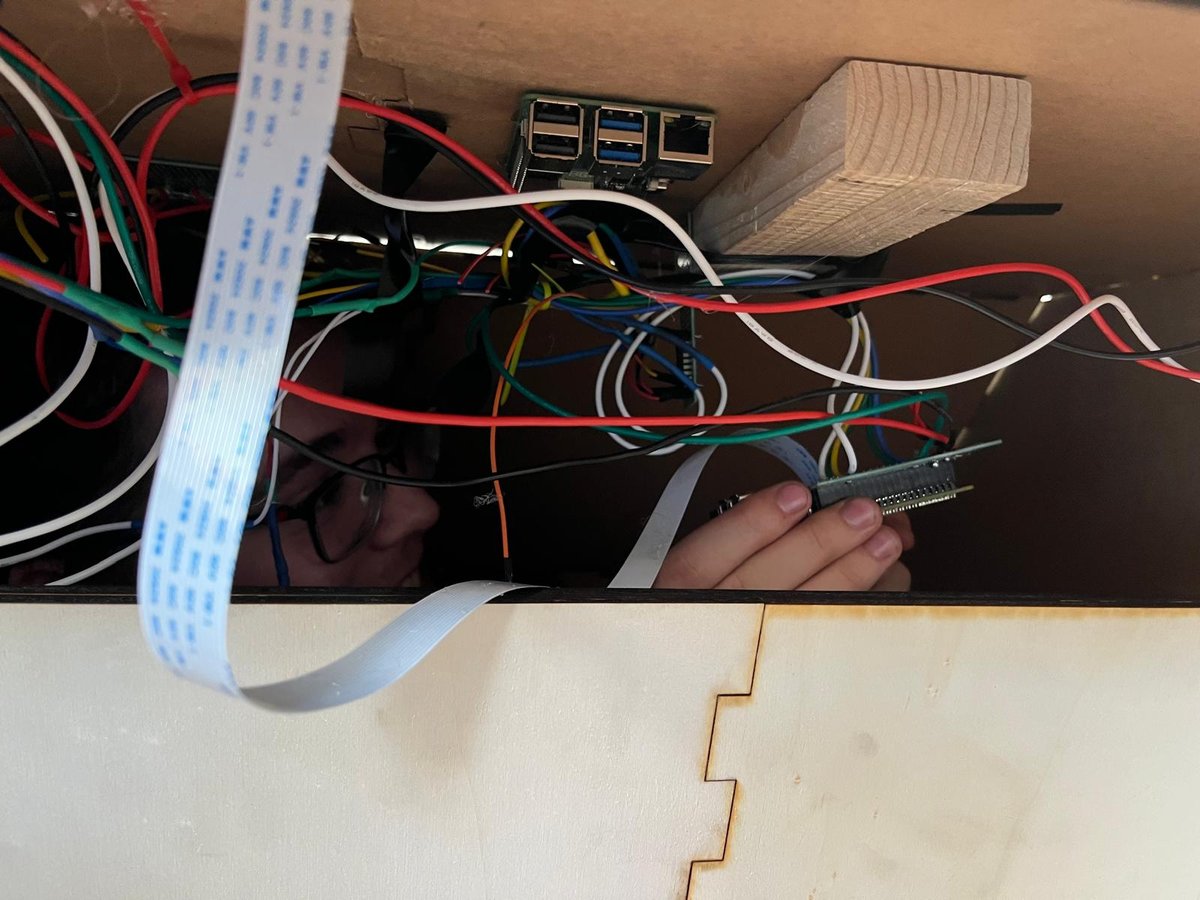
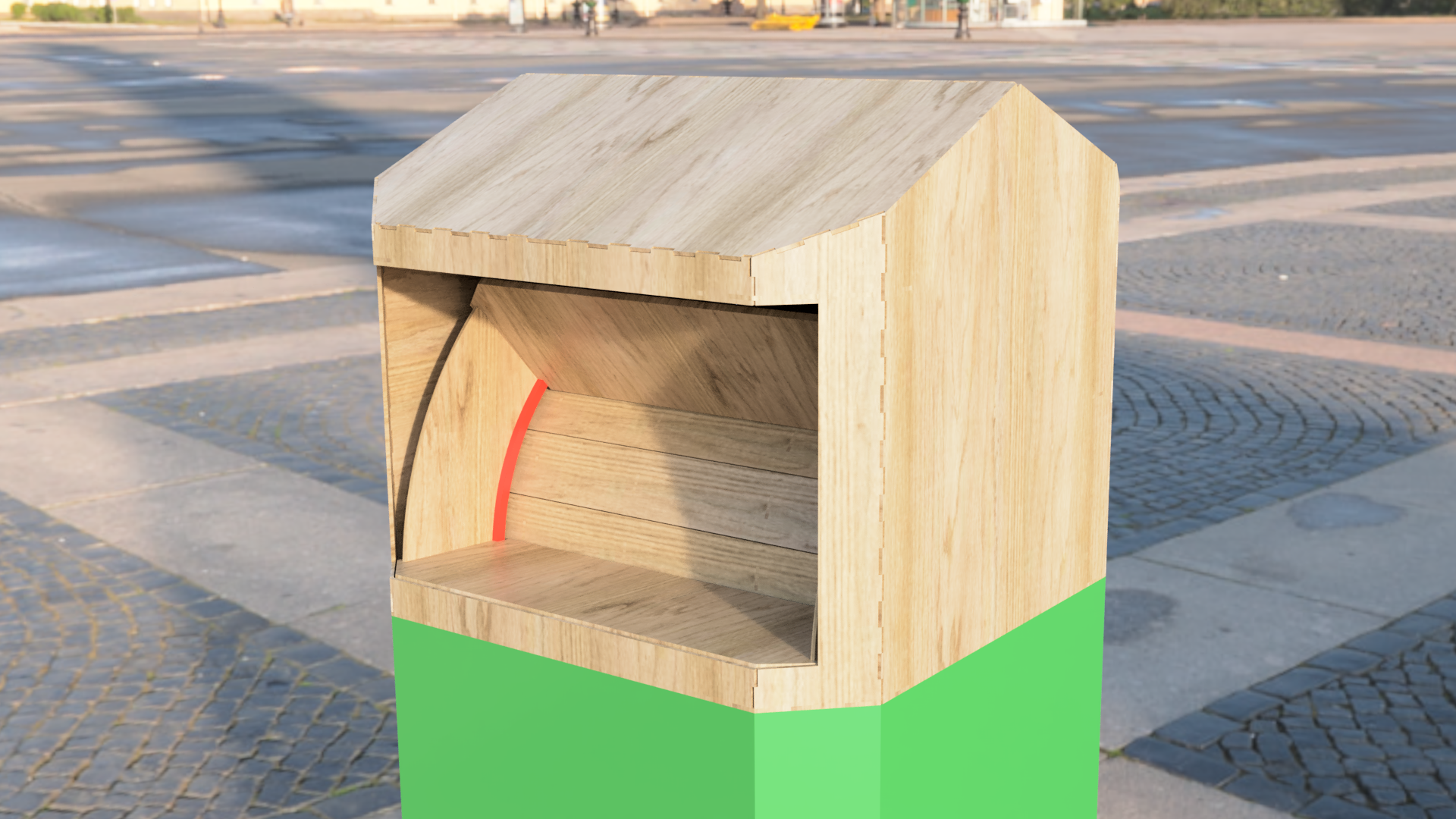
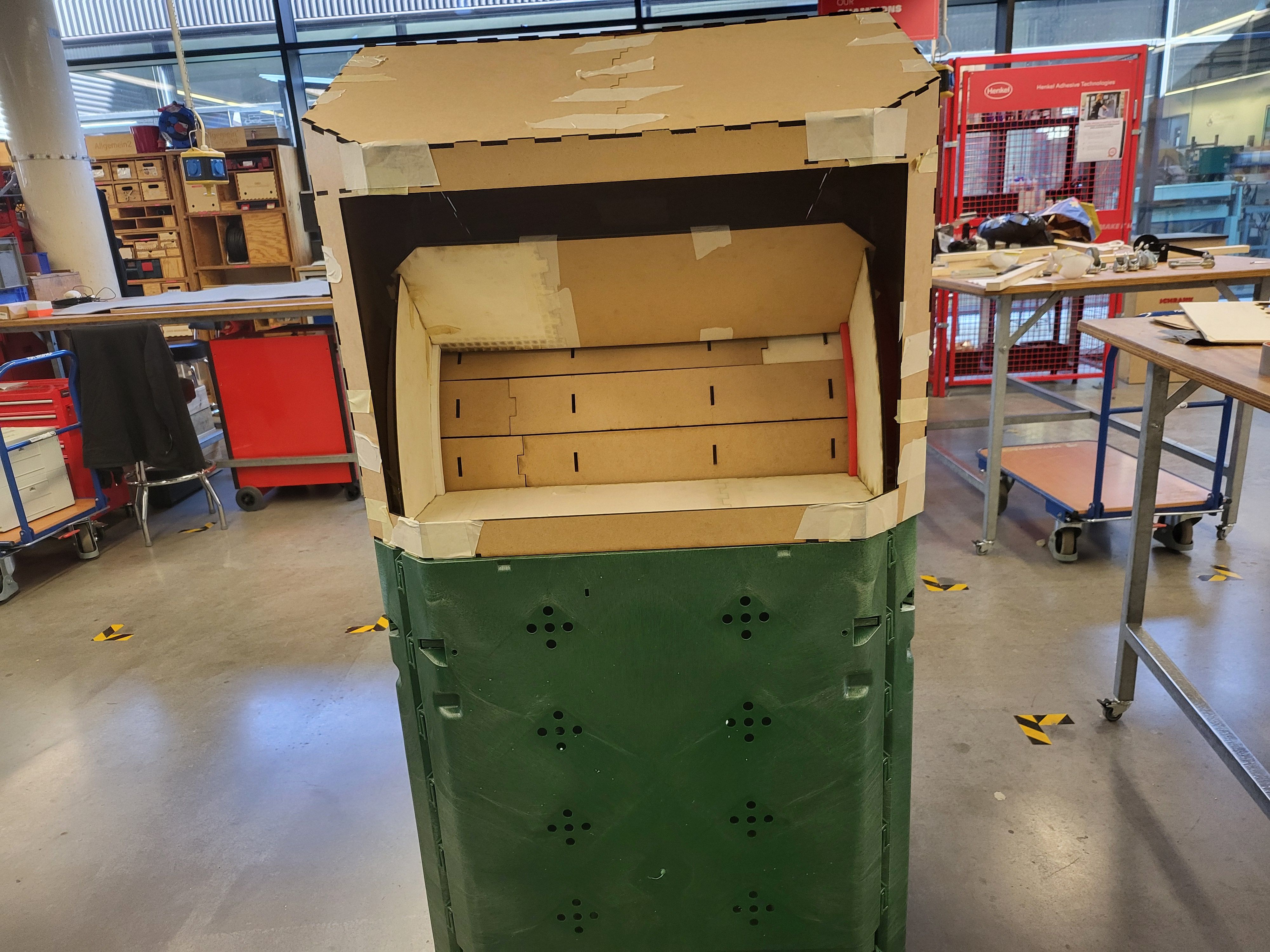
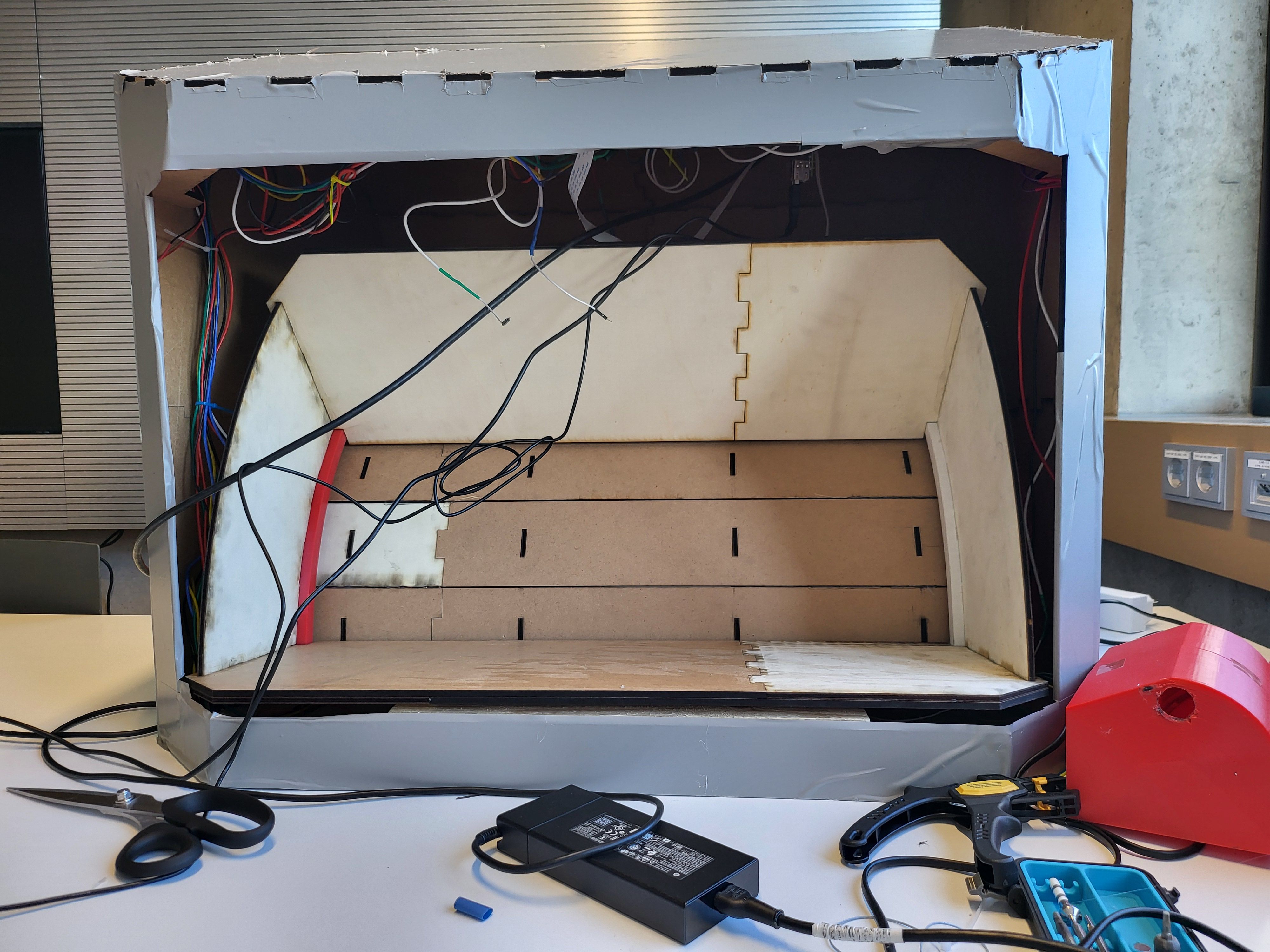
To demonstrate our idea and as an MVP for our presentation, we built a 1/2 scale mockup of a collection bin with a locking mechanism and a number of sensors (camera, humidity, weight, infrared distance). Building the prototype, I was responsible for the hardware and electrical design as well as coordinating the construction.
Project Gallery